Kitchen Therapy


4 Comments

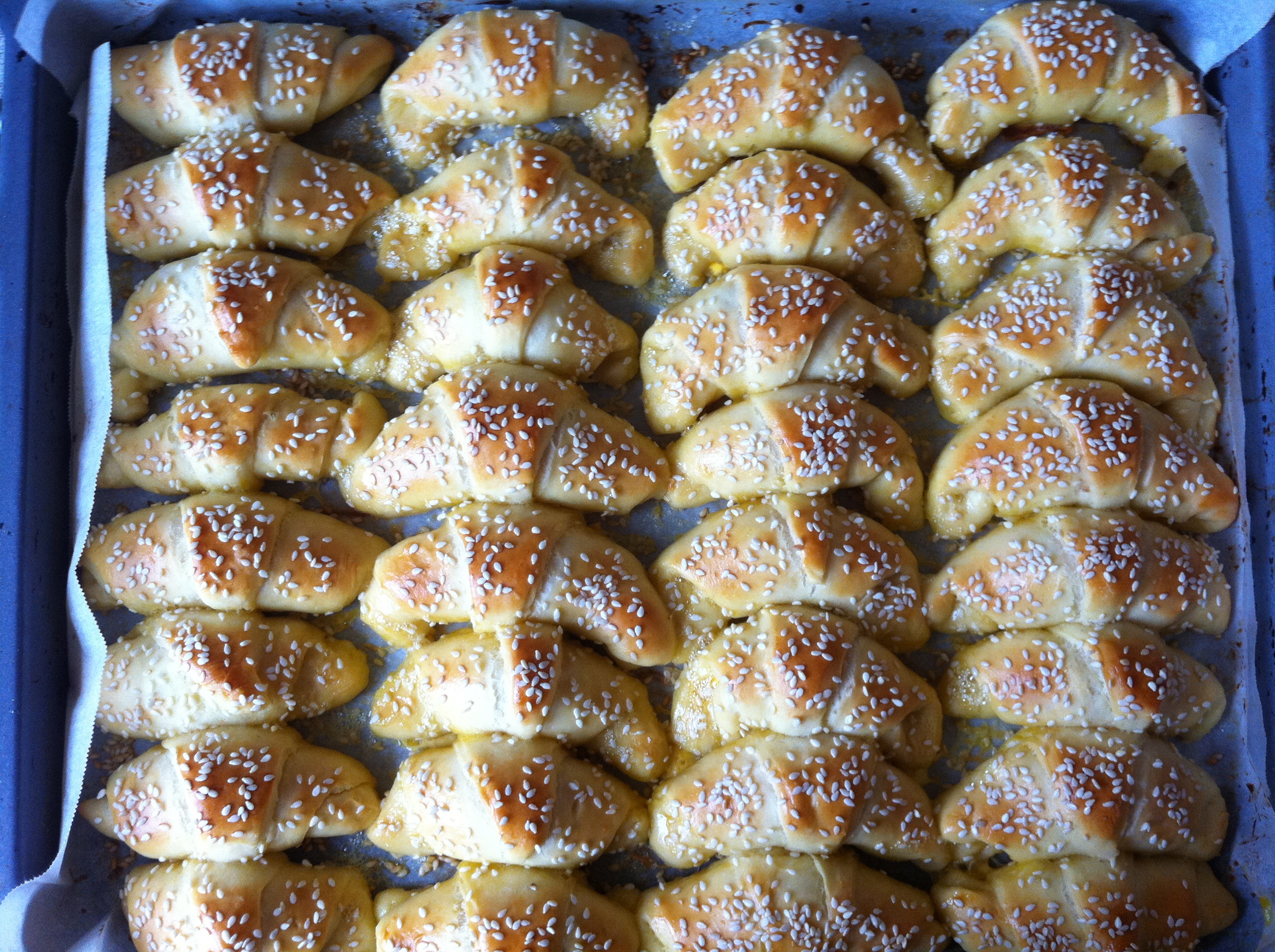
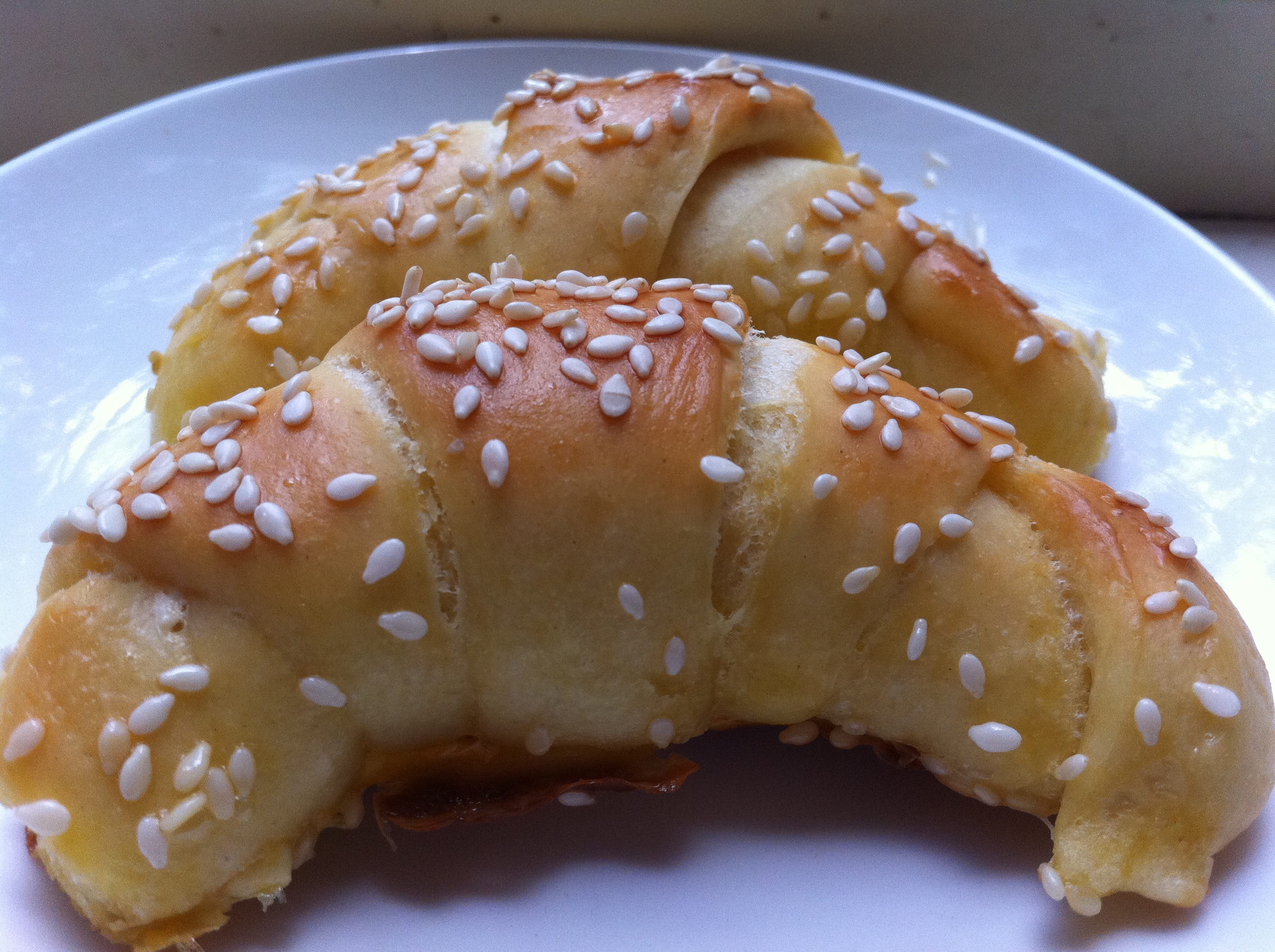
Golden Cheesy Bread Rolls (Kiflice)

“Until you know that life is interesting – and find it so – you haven’t found your soul.” – Geoffrey Fisher

Why does baking feel so incredibly satisfying and nourishing to the mind and the soul?

Or is that just me?

I get excited finding and planning my next cooking project, buying the ingredients and then carving out the time to play!

I wrote about Mihaly Csikszentmihalyi and his studies about being in what he calls “flow”. Being engrossed in an activity that causes time to disappear, our problems and worries to melt away and we are no longer aware of our surrounding other than as they related to what we are doing. Being engaged in an activity that both challenges us and rewards us, an activity that gives us a sense of accomplishment and improvement, this is his definition of happiness.

Given this definition, then baking, cooking, creating something from scratch, is so wonderfully important to me because it makes me happy!

It’s as simple as that!

Could there be any better reason?!

Making these kiflice, which are Serbian bread rolls, brought back so many childhood memories, they made me feel closer to my Serbian dad who is in rehabilitation after suffering a heart attack and a stroke and they helped me feel closer to my heritage and my family!

Amazing that these little golden bread rolls could do so much!

I saw them when they were featured on FoodPress by Things We Make and followed their link to Maja from Cooks and Bakes who posted her recipe in Serbian and English!
They wouldn’t leave my thoughts and I knew I had my next baking project!

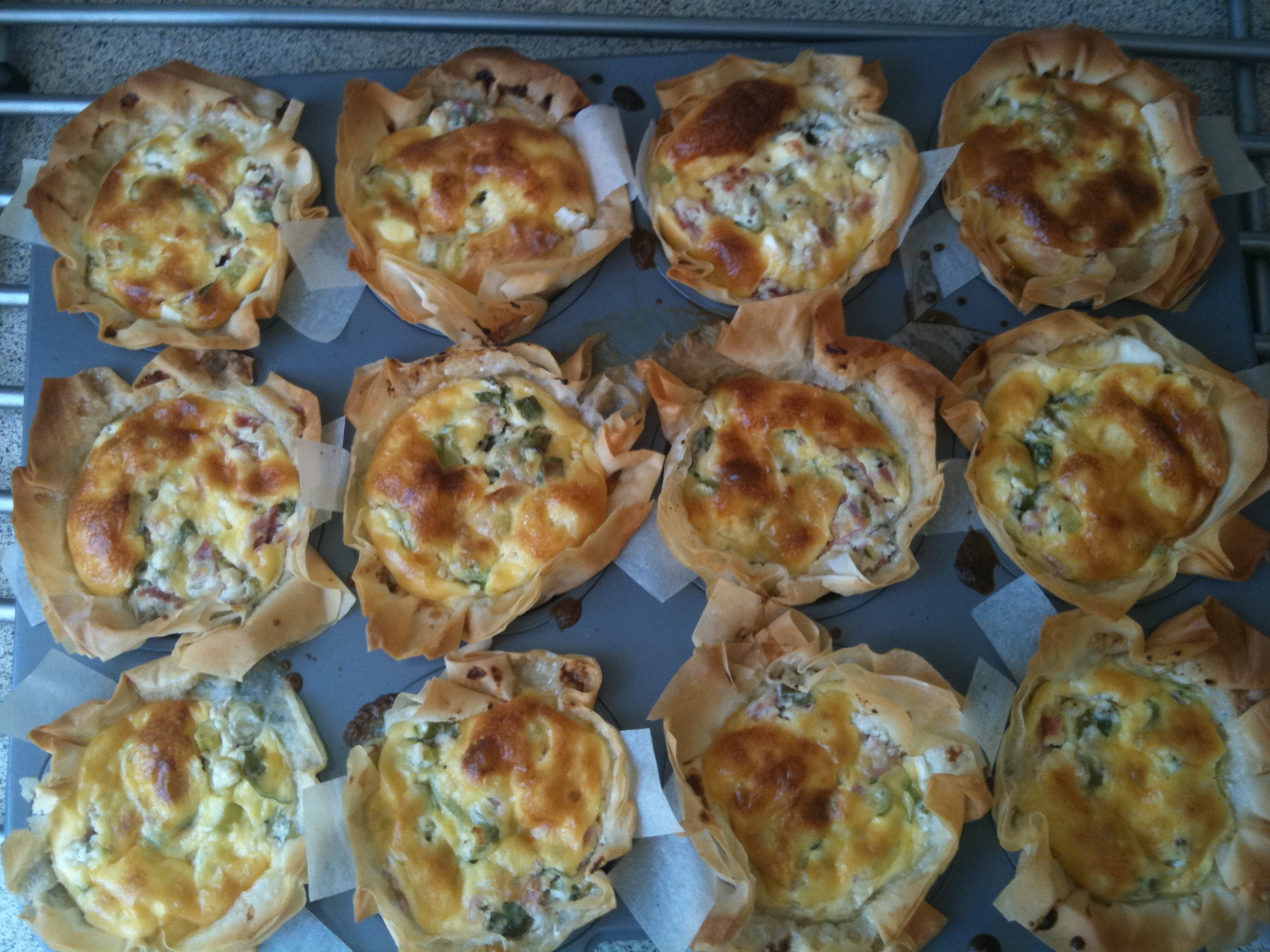
I made them with feta and they turned out magnificent! These little cheese rolls brought happiness not just to me but also my dad!
I’m already planning my next batch with fried leeks and goat’s cheese feta!

As the quote from Geoffrey Rush says, I hope you find that special something which makes your life interesting and in turn find your soul!

2 Comments

Prosciutto, Feta and Ricotta Tarts

These are absolutely delicious! Golden, crispy, savoury bites that are incredibly satisfying fresh from the oven or straight from the fridge!

Ingredients

6 Sheets Filo Pastry
Olive Oil Spray
5 Slices Prosciutto or Ham, finely diced
1 Onion, finely chopped
1 Tbs Flat-Leaf Parsley, finely chopped
120g Ricotta
100g Feta
375ml Pouring Cream
3 Eggs

Method:

Preheat oven to 180C.


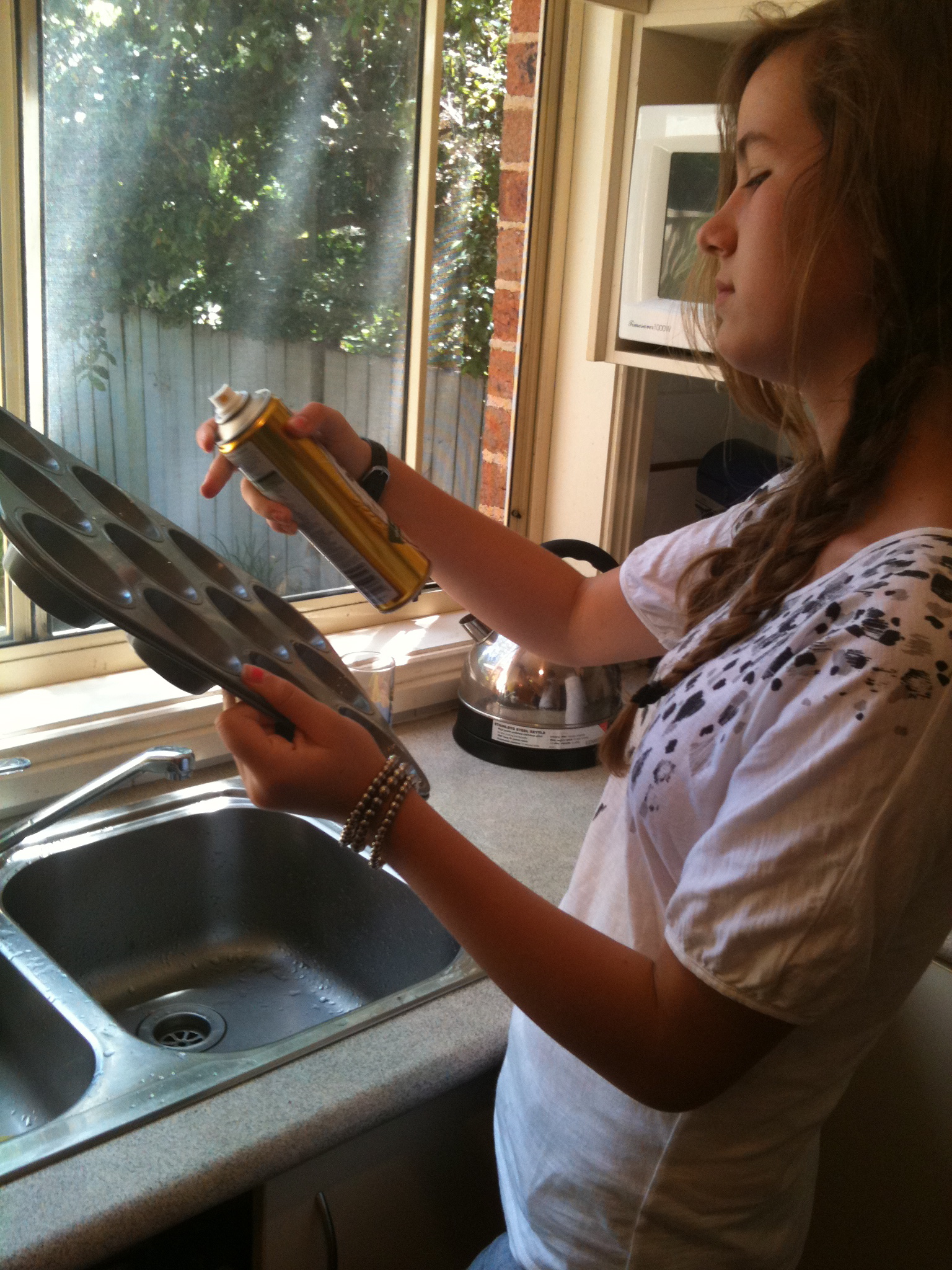
1. Lightly grease 12 hole muffin pan (we used Olive Oil spray).


2. Cut 12 x 1cm wide strips of baking paper and line each muffin hole so it extends beyond the rim so it’s easier to remove the tarts.


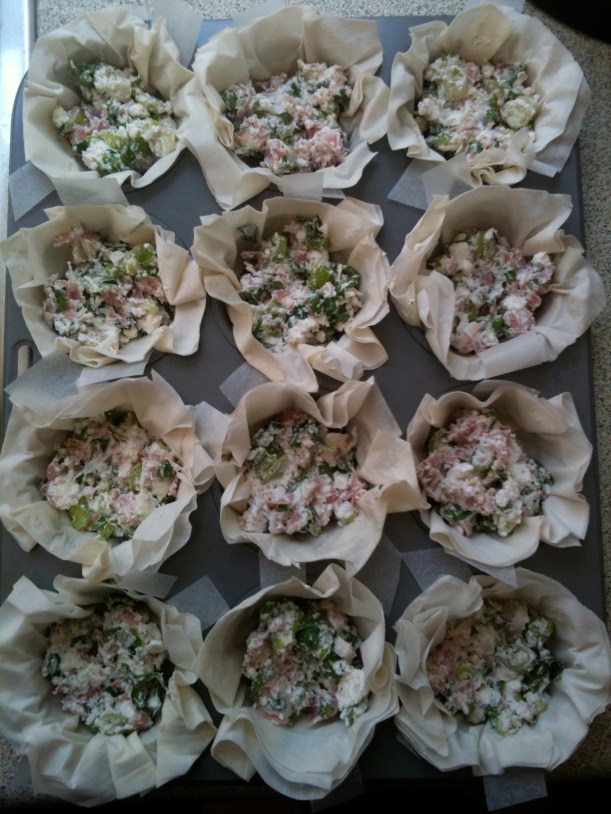
3. Stack 3 filo sheets (spray between each sheet with oil). Cut stacked filo sheets into 12x10cm squares. Spray one square with olive oil and place another square diagonally on top to form a star shape. Press into muffin hole and repeat with remaining 3 filo sheets until 12 tart shells are complete.


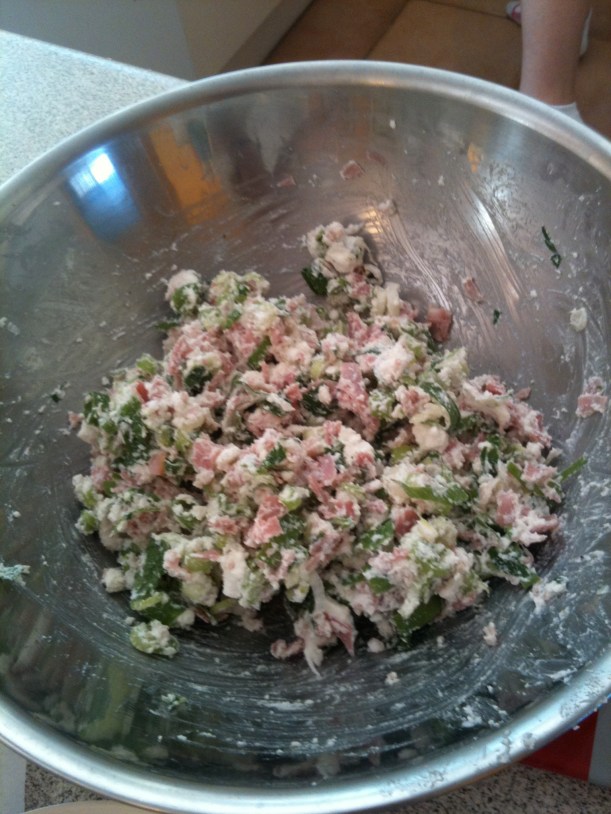
4. Combine prosciutto (or ham), onion, parsley, ricotta and feta in a large bowl then season with salt and pepper.


5. Spoon mixture into tart shells.


6. Whisk cream and eggs, pour over the ricotta mixture.


7. Bake for 25 minutes or until set. Stand in pan for 15 minutes before serving.


1 Comment

Counselling 101 – Skills we should be taught at school!

 Words are, of course, the most powerful drug used by mankind.” Rudyard Kipling

As a psychologist I get to witness  the power of words first hand. I see the effects of words that evoke fear, powerlessness and helplessness. I also see the flip side to this, words that empower, motivate and create joy, love and happiness.

Understanding and fully appreciating the power of words has been one of the most amazing things about my line of work. People are able to shift from depression, anxiety and fear to a state of peace and happiness through words.

The words we use to describe what we experience will in turn become our experience.

If one of my children is feeling sad, angry, happy, or playing victim I ask them what they are thinking. I can guarantee you the response is usually “I don’t know” followed by a scowl!
And it’s true, they have no idea what thoughts lead them to this emotion. They just know they feel good or bad!
And same goes for any of us, we don’t really pay attention to the constant chatter in our minds. But it’s there and it’s creating our reality!

As a psychologist, I have come to the conclusion that this is one of the most important lessons I need to teach my children.
To build in them the awareness and understanding that they are not victims to random emotions that take over their bodies.

(I know I am referring to children here however this is something most of us as adults have never really been taught. I passionately believe that this is crucial information about living that all kids need to be taught in school so they have the resources to become functional and contributing adults. Unfortunately it isn’t taught in school and it is what I teach my adult clients. Imagine how far we would all be if we were given this information at a young age?)

Most of us don’t really pay attention to what we are thinking, but we are pretty aware of how we are feeling at any given moment. So start with your emotions. Ask yourself  how you feel which also helps to build emotional awareness and identify and verbalise feelings better. 
Once you establish how you feel, take a step back and try to identify what you were thinking and as I said, people find it very difficult to pin down their thoughts. So take it slowly. How you feel and how you behave is determined by what thoughts are going around in your head. So if you’re feeling sad, you’ve been thinking sad thoughts and you may be crying or isolating yourself. If you’re feeling sorry for yourself, you’ve probably been telling yourself that something is not fair and you may be sulking or stomping around! If you’re feeling happy, you’ve been having happy thoughts and your behaviour may be to whistle, play or be easy-going.

Your thoughts will determine how you feel and act. 
You cannot have happy thoughts and feel angry.
You cannot have angry thoughts and feel happy.
If you are thinking happy thoughts, you will be feeling happy and acting happy.
If you are thinking angry thoughts you will feel angry and act angry.
And so on…

 It sounds incredibly simple and yet it is one of the hardest things to master!
Choosing your thoughts and ultimately choosing the life you have.

Please feel free to leave me any questions or comments you have!


Leave a comment

“Bad times have a scientific value. These are occasions a good learner would not miss.” Ralph Waldo Emerson

The last few weeks have been emotionally and physically draining. My father had a heart attack that he was not expected to recover from. Luckily he has recovered and even though he has lost the use of his right leg, we are overjoyed with the progress he has made.

As we have progressed through the wards of the hospital, I have cut down my daily visits from 12 hour bedside vigils to a two to three hour visit. My days are very full and very tiring and as I drive to and from the hospital I find my mind drifting, questioning theories about grief. Running through exercises and passages I have read, asking myself what is useful and even possible when clients come in during times of stress. I have never wanted to be one of those psychologists that just talks at you, telling clients what they should be doing without making the effort to understand or respect what they are telling me. I have also never had the patience to be one of those therapists that sees clients endlessly, listening to them carry on about the same issue and not challenging them (may sound cold but there are clients who do just want to come in and have a bitch or a whinge without any interest or intention to change their lives!)

My dad’s heart attack meant I was now facing one of my biggest keeps you up at night fears.
Most of the time I felt I couldn’t breathe from the pain that seemed to crush my ribs and block my airways!
And then out of nowhere there were moments of perfect clarity that allowed me to step back and observe the process I was going through with objective interest.
Moments where I felt complete acceptance with the cycle of life and I knew that we would all be okay.

So here’s what I learnt from my dad’s heart attack…

1. All the stuff that books tell you doesn’t matter, really doesn’t!
Who cares about the gossip and who said what about who! You have no time or energy or interest in such rubbish! It was like a breath of fresh air. I had perspective and I wanted to make sure that I rememebered what really mattered and more importantly what didn’t matter for the rest of my life. I knew that at some point things would have to return to normal and I didn’t want to waste this experience.

2. You can choose how to respond.
I always felt that I would be one of those women you see on television, you know the one’s that wail, scream and try to throw themselves at the coffin. The thought of losing a family member has always filled me with such anxiety and despair that I never doubted that would be me! Recently I went to a friend’s father’s funeral and this friend of mine conducted herself with so much dignity that I took strength from her. Another friend’s 5 year old has been battling a brain tumor and again I witnessed a woman handle a terrible situation with incredible strength and grace.
I started to build other ways of being in my mind. Seeing these women helped me realise that you can choose how you conduct yourself no matter what is happening. I taught it, but I must confess I had my doubts, the pain with some clients at the loss of a loved one or the loss of a marriage is so intense and debilitating that you can easily be dragged into their worlds and feel as incapacitatingly helpless and hopeless as they feel. If you meet them all the way you will find it hard to see a way out yourself, if you don’t meet them at all, you will never really have an empathic understanding of what they are going through and will not be able to establish that necessary relationship and connection you need to be of use to them. So just like in counselling, in real life it’s finding that balance for yourself where you can grieve but you have the door open to the rest of your life and you can come and go freely.

3.You can only play victim for so long.
I find this hard to say without sounding insulting. I have clients who come in and spend so much time and energy waiting for the world to acknowledge the unfairness of their situation and then fix it. The world does acknowledge it, but then it expects you to move on. I felt surely everyone could see how much I was going through and I felt justified in my grief, until I returned to work and there was a stack of forms and files that needed addressing immediately. I had to work hard at not feeling resentful and sorry for myself! I have seen clients waste so much time and energy refusing the move on. Losing their jobs, their relationships as they cling desperately to the perceived unfairness and injustice of a situation. I’ve seen enough to know there comes a time when you need to accept and move on with your life. The alternative is truly terrifiying! Losing everything and everyone and then realising that it was all for nothing, carrying on will not take away the pain, it just creates more. Nothing will take away the pain, it’s about building a life around it.